
About
Dedicated to a Healthy Watershed
MCWC didn't start as an institution, it started as a conversation. Sixteen years later, it's a functioning organization with staff, funding and a growing body of completed work protecting the Middle Colorado.
Why We Exist
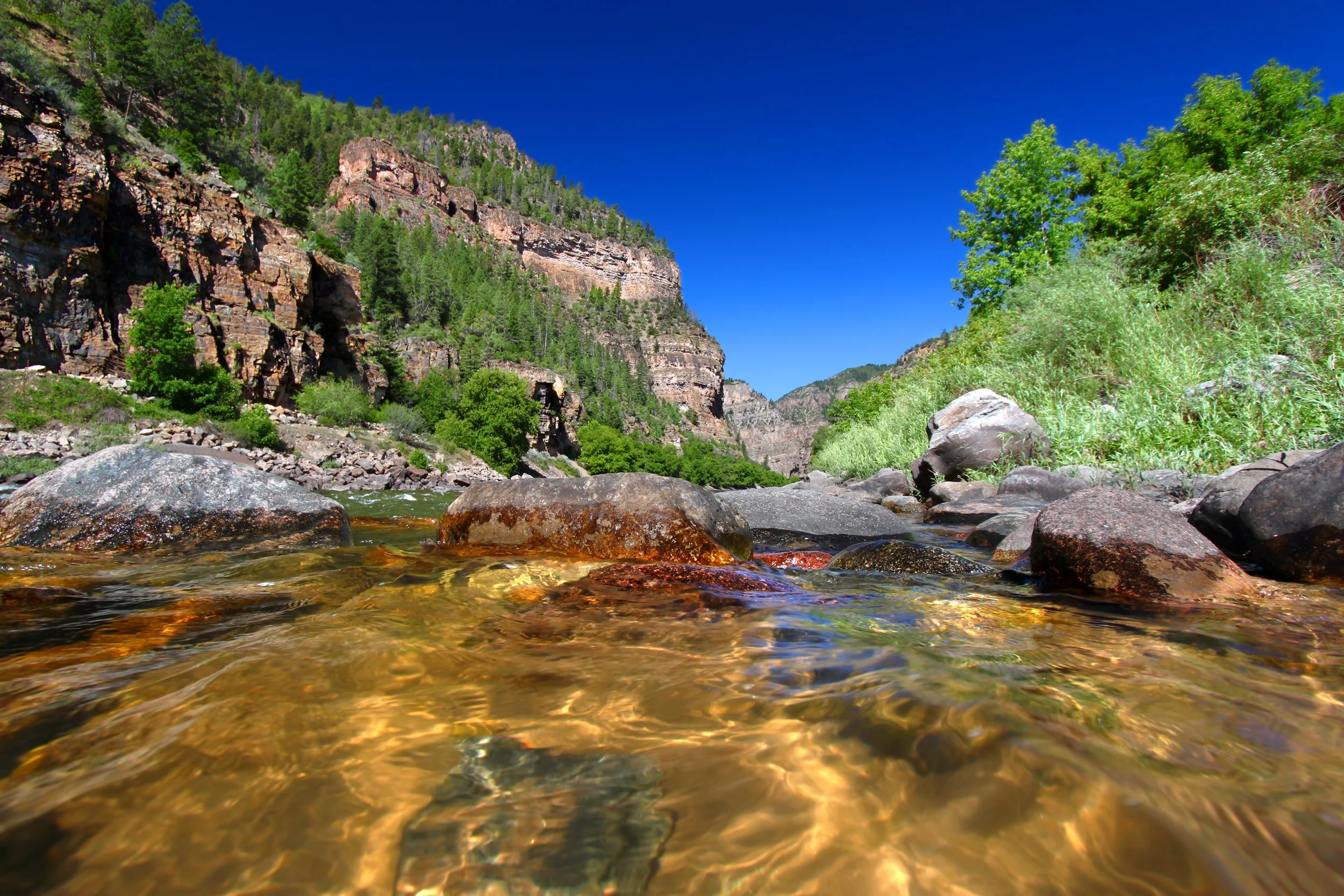
The Watershed Doesn't Fit Inside Any One Jurisdiction
Neither Does the Work of Protecting It
The watershed faces pressure from every direction at once, growing demand, drought, wildfire risk, and declining habitat for native fish and other species. None of these challenges stop at a county line. Coordinating the response across all of them is what MCWC is built to do.
Protecting a Watershed Takes Three Kinds of Partners
Lasting watershed health depends on a three-legged stool: Public agencies, private landowners, and a nonprofit convener each doing their part. MCWC is the nonprofit leg, making coordinated stewardship possible.
Who We Are
Public Sector
Federal and state agencies, municipalities and water policy organizations hold the regulatory authority and manage the public lands the watershed runs through. Their involvement makes permitted, fundable projects possible.
Private Sector
Ranchers, agricultural producers and private landowners own and work the land the watershed depends on. Without their participation, on the ground projects can't happen.
Nonprofit Sector
As the nonprofit partner, MCWC fills the gap that public agencies and private landowners can't. Coordinating across boundaries, managing complex funding and keeping the long-term mission at the center.
Progress You Can Measure
Every number represents a partner who showed up, a project that moved forward, and a watershed that benefited from it.
Our Impact
contributions
Coordinated Work Across Four Focus Areas
Every project MCWC takes on connects to one of four focus areas, each tied to the long-term health of the watershed.
Our Work
Wildfire Resilience
Cross-agency coordination to reduce wildfire risk and protect the headwater sources communities depend on.
Aquatic & Riparian Habitat
Restoring river corridors and improving habitat connectivity for native fish and wildlife.
Water Quality & Supply
Monitoring and managing clean, reliable water for agriculture, municipalities and ecosystems.
River Recreation
Improving river access and participating in the flow management decisions that shape the experience from Glenwood Springs to De Beque.
Mission
To evaluate, protect and enhance the health of the Middle Colorado River watershed through the cooperative effort of watershed stakeholders.
Vision
A Middle Colorado watershed where water is clean and abundant, ecosystems are resilient, and the communities that depend on the river can thrive for generations to come.e river can thrive for generations to come.
Values
We are grounded in science, driven by outcomes and committed to the long-term health of the watershed. We lead with collaboration, show our work, and find the shared language that brings everyone to the table.
Our History
Built From the Ground Up by the People Who Know This Watershed
MCWC didn't start as an institution — it started as a conversation. Sixteen years later, it's a functioning organization with staff, funding and a growing body of completed work.
The First Convening
Twenty-six people representing 23 organizations were brought together by the Colorado River District, Colorado State University Extension, Colorado Watershed Assembly and the Sonoran Institute to explore collaboration opportunities in the Middle Colorado River watershed.

September 2009
March 2010
Steering Committee Formed
Volunteers from the initial stakeholder group formed a Steering Committee to set the work plan and direction. The group identified key issues, potential activities, and the stakeholders needed for long-term impact.
2011 – 2012
First Major Funding Secured
The Colorado Department of Public Health and Environment Nonpoint Source Program awarded a Section 319 watershed planning grant to fund data assessment and planning efforts. A Leadership Committee developed the Project Implementation Plan, and the grant was officially awarded in December 2012.
September 2012
First Staff Hire
MCWC hired its first executive director to oversee the completion of a Watershed Assessment and Watershed Plan.
2015 – 2016
Watershed Assessment and Plan Completed
The Middle Colorado River Surface Water Quality Data Analysis was completed in March 2015, informing the Watershed Plan completed in 2016 — the scientific foundation for MCWC's work.
2020
The Integrated Water Management Plan (IWMP)
Established a shared vision and identified 55 priority actions and projects. These ranged from irrigation and fish-passage improvements to riparian restoration, invasive species management, recreation access enhancements, water-quality monitoring and community education. The plan continues to guide implementation efforts today.
2026
Growing Capacity, Deepening Impact
MCWC now operates with three staff members working collaboratively with organizations and municipalities throughout the region — coordinating funding, managing projects, and advancing the mission across the 2,200-square-mile watershed. MCWC continues to execute projects from its IWMP, and now also runs the Colorado River Wildfire Collaborative.
The Watershed Needs Partners Like You
MCWC brings the relationships, funding access, and coordination capacity to get cross-boundary work across the finish line. Let's connect.