
River Watch
Filling the Gaps, One Sample at a Time
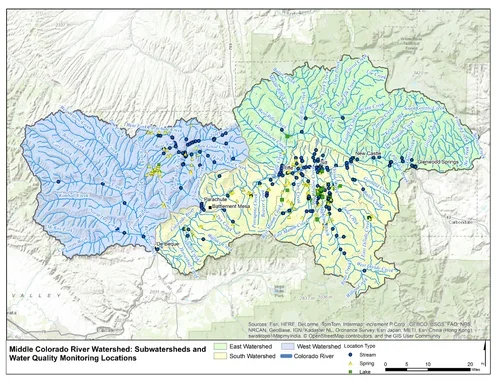
In 2017, MCWC set out to address a real problem: Significant gaps in data for surface water quality across the Middle Colorado watershed. Through River Watch, our Citizen Science program, students and community volunteers now collect reliable, standardized data on aquatic habitat at key sites from Glenwood Springs to Parachute.
What We Measure
Real Data. Real Impact.
Every month, volunteers head out to nine sites across the watershed to test the water firsthand, building a baseline that didn't exist before. It’s hands-on science that matters, and it’s turning curiosity into a growing record of the river’s health.
How It Works
Our Approach
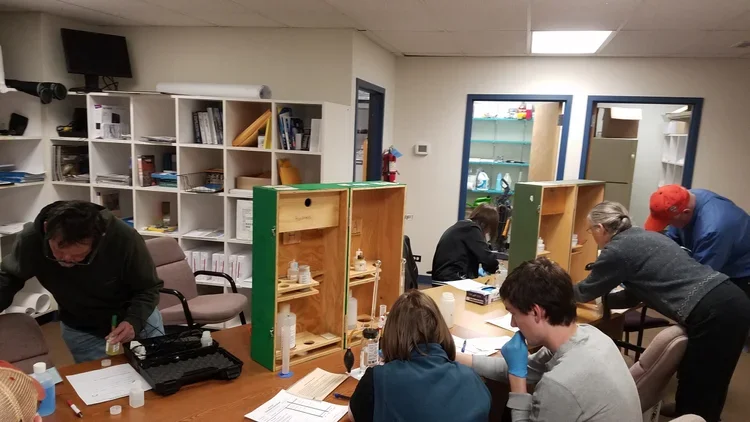
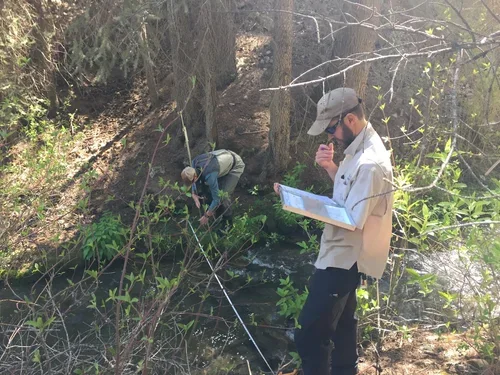
MCWC partners with River Watch, a longstanding state-run volunteer initiative, to ensure the data volunteers collect is standardized and reliable. Our watershed technician attends and oversees every data collection event.
Trained Volunteers
Students and community members are trained to collect consistent, reliable water samples.
Monthly Monitoring
Sites in Glenwood and Parachute are tested once a month, building a long-term record over time.
State-Standards Data
Every sample follows River Watch protocols, so the data holds up alongside statewide monitoring efforts.
The result is a reliable baseline of water quality conditions for the watershed, the kind of long-term record that didn't exist before this program started.
Why It Matters
What We Test
Reliable data doesn't just describe a problem, it makes solving one possible. River Watch's goals are straightforward: Evaluate existing or potential water quality impacts and their causes, build a monitoring strategy that can track change over time, and grow interest and participation year over year.
Metals
Samples are sent to the Colorado Parks and Wildlife laboratory in Denver for analysis.
pH & Alkalinity
Measures the water's acidity and its ability to neutralize acids.
Hardness
Reflects mineral content, primarily calcium and magnesium.
Dissolved Oxygen
A key indicator of stream health and aquatic life viability.
Nutrients
Collected during both high- and low-flow periods to track seasonal changes.
Macroinvertebrates
Sampled each fall during low flow to assess biological and ecosystem health.
What You’ll Learn
Volunteers gain hands-on experience with real water quality testing methods, and a firsthand look at how the data they collect shapes decisions about the watershed’s health.
How It Works
Who Can Participate
From classrooms to community groups, River Watch is built for volunteers of all backgrounds and experience levels, ready to get outside, learn, and leave the river better than they found it.
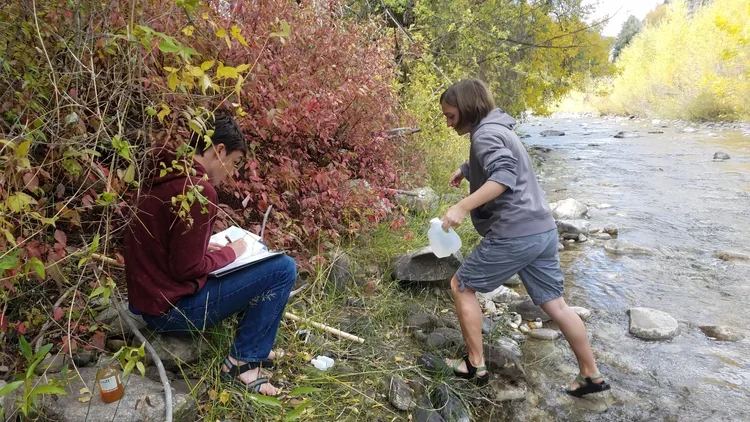
Adult Community Volunteers
Community member scontribute to ongoing monitoring alongside MCWC’s project manager.
School Groups K-12
Current participants include Glenwood Springs Middle School and Grand Valley High School. Students are gaining real-world science experience alongside their studies.
Program Partners
River Watch is made possible through the ongoing support of our partners and funders, including a founding grant from the Aspen One Environment Foundation.
Help Us Grow the Data
River Watch is made possible through the ongoing support of our partners and funders, including a founding grant from The Environmental Foundations of the Aspen Skiing Company, with additional support in 2024 to reinitiate work on Parachute Creek.