Educational Signage Program — Prohibiting Nonnative Fish Transport
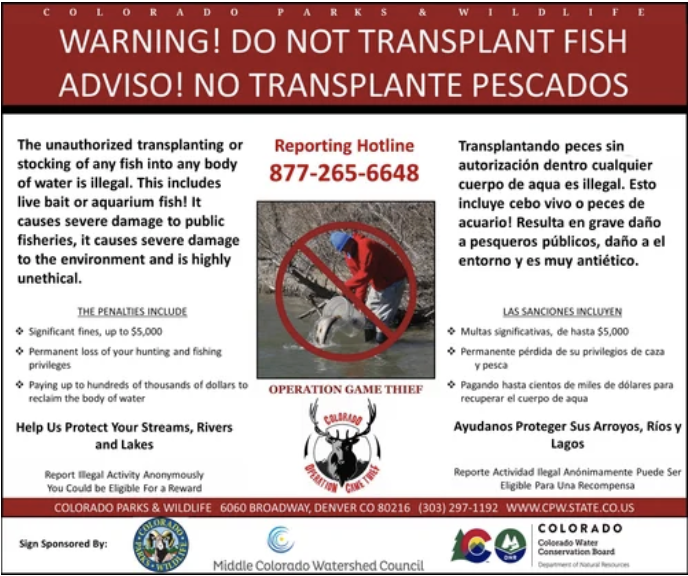
MCWC partnered with Colorado Parks and Wildlife to install updated educational signage at seven public water bodies, raising awareness about the risks of transporting nonnative fish.
Why It Matters
Nonnative fish outcompete native species for resources, disrupting the aquatic food web and threatening the fisheries anglers and ecosystems depend on. Clear, consistent signage helps everyday visitors understand how their actions can protect, or harm, Colorado's native fish populations.
Impact Numbers
Seven public water bodies, one shared message: protect the fish that belong here.
7 locations updated with new signage in fall 2023
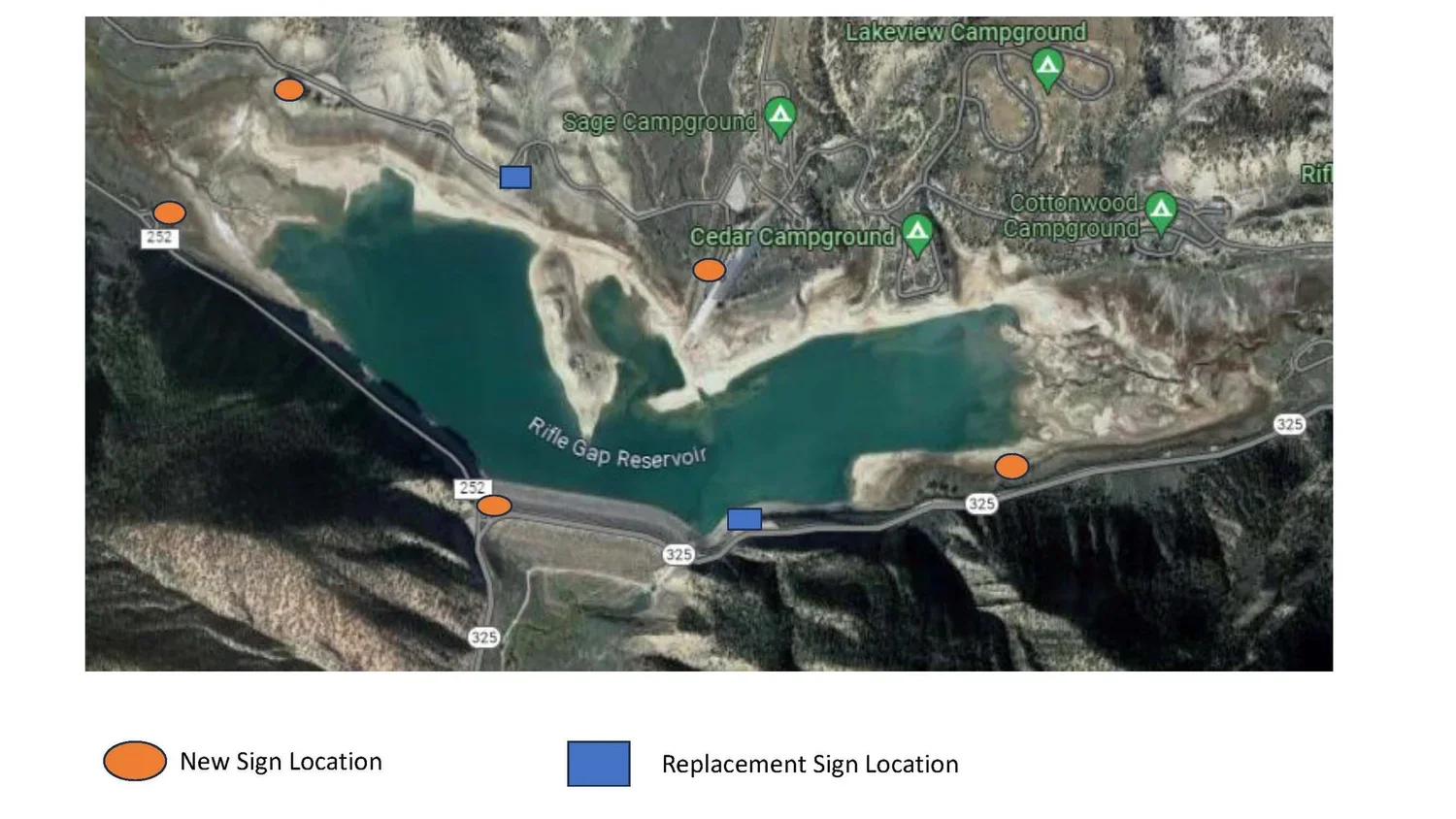
Rifle Gap Reservoir — Rifle, CO
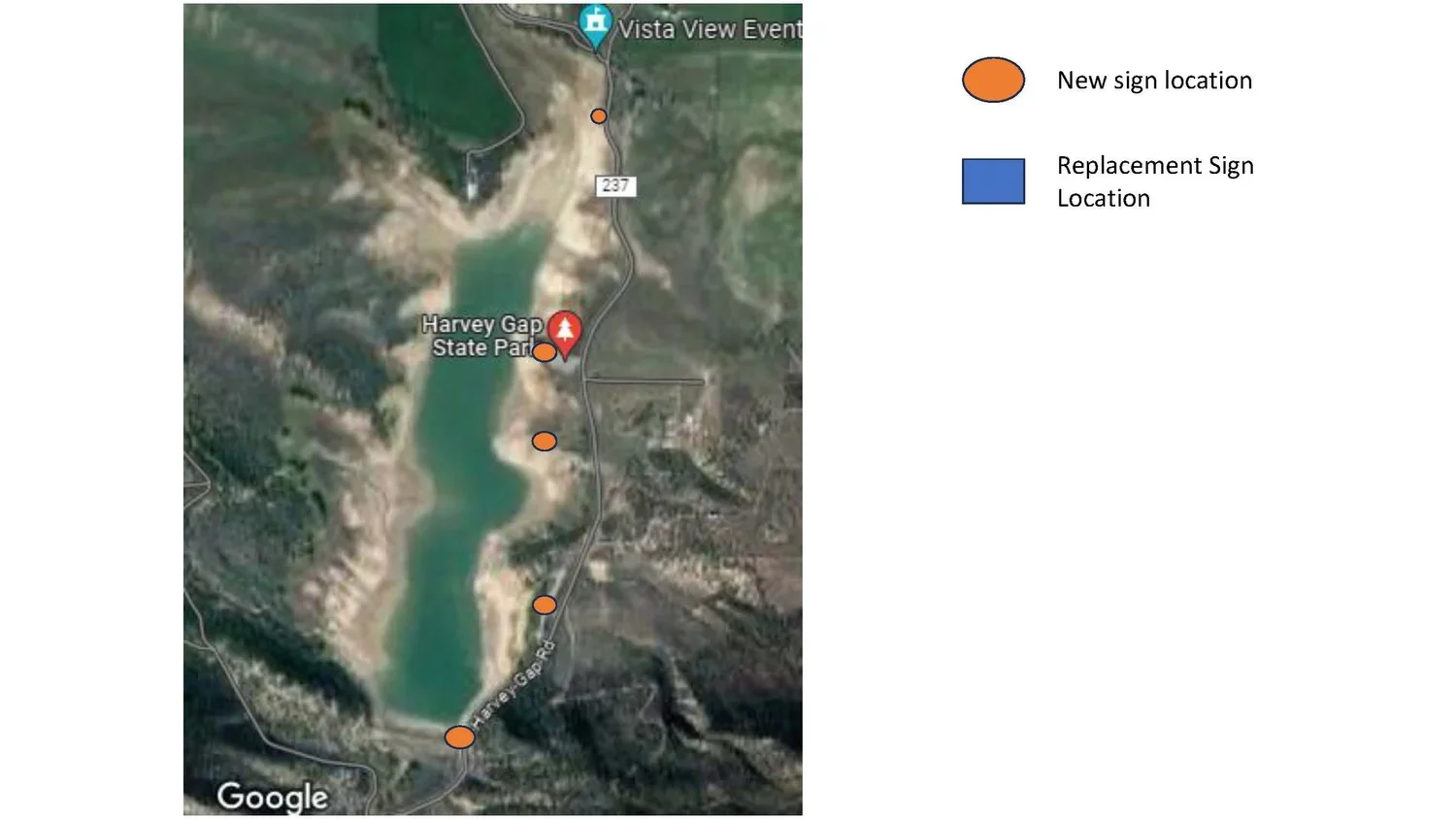
Harvey Gap Reservoir — Silt, CO
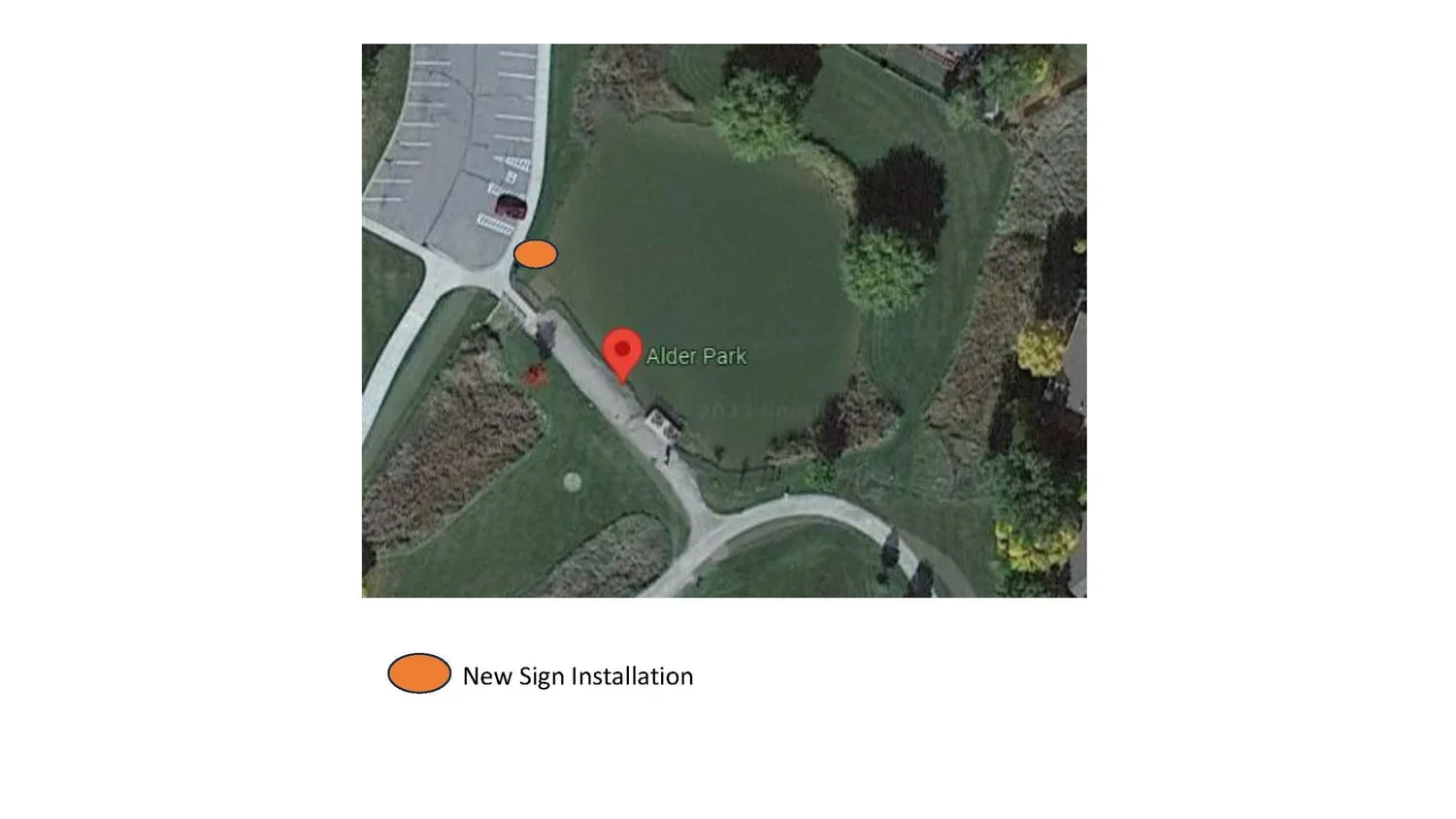
Alder Park — New Castle, CO
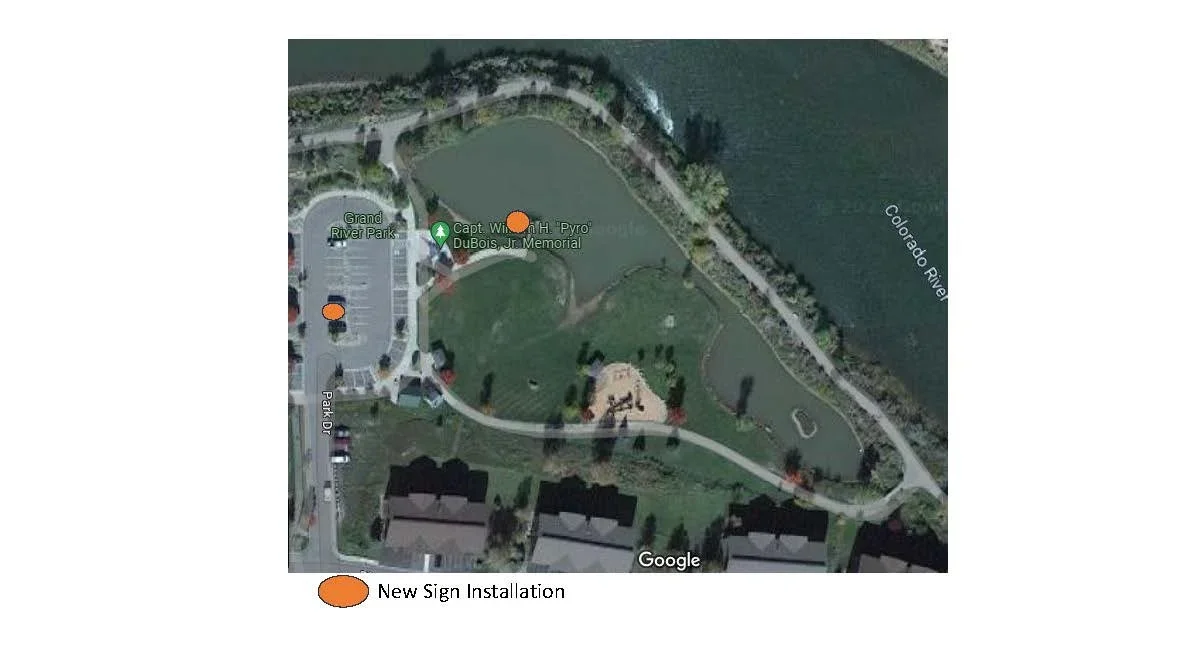
Grand River Park — New Castle, CO
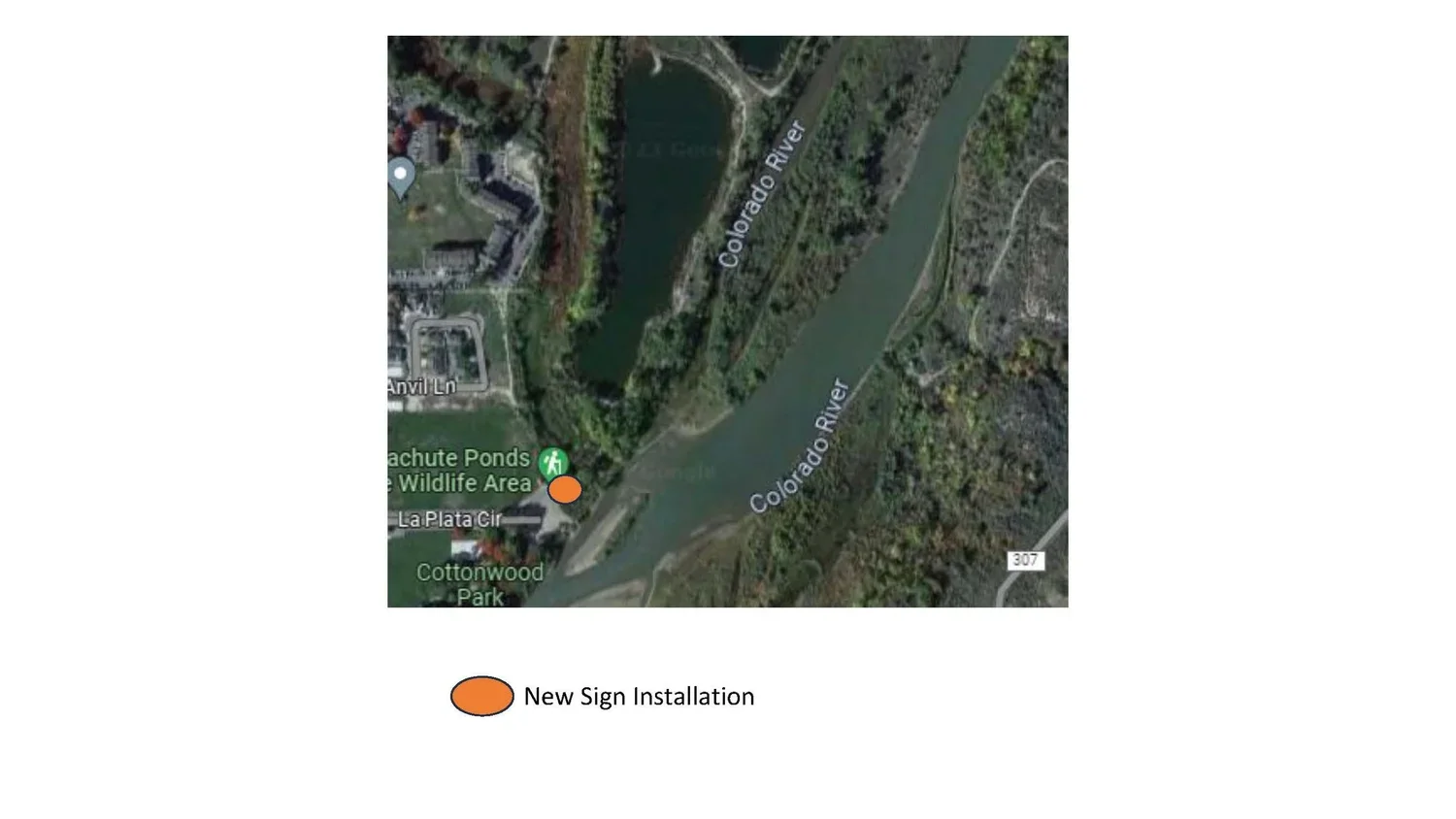
Parachute Pond State Wildlife Area — Parachute, CO
Silt Preserve — Silt, CO
Lions Park — Rifle, CO
1 updated CPW-standard format used across all installations
Budget
Signage installation was completed through a partnership between MCWC, Colorado Parks and Wildlife (CPW), and New Castle city staff.
Timeline
Installation was completed in fall 2023 across all seven locations, in collaboration with CPW and New Castle city staff.
Connection to IWMP
This project advances MCWC's Aquatic & Riparian Habitat focus area, protecting native fish populations by educating the public on the risks of nonnative species introduction.
Beneficiaries
| Local aquatic ecosystems | Anglers and recreationists | Native fish populations |
|---|---|---|
| Preventing nonnative introductions protects the broader food web, including birds and mammals that depend on balanced ecosystems. | Healthier, more diverse fisheries preserve the recreational experience anglers value. | Reduced nonnative fish transport helps protect native species from predation and competition. |
Location
Multiple sites across Garfield County, Colorado
Status
Completed
Funders & Collaborators
Colorado Parks and Wildlife (CPW)
City of New Castle