Riparian Restoration Program
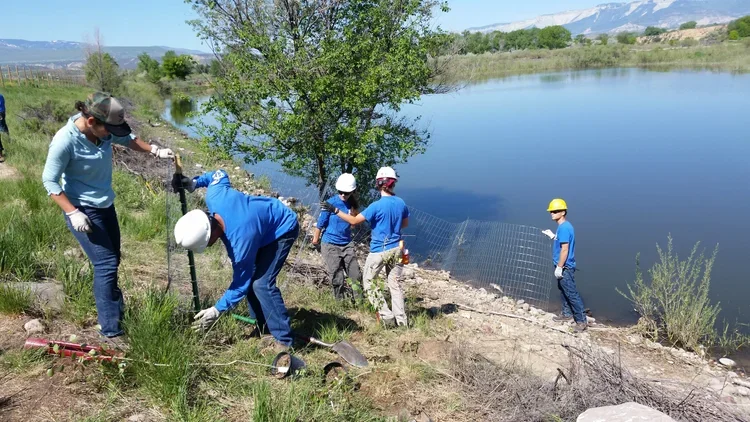
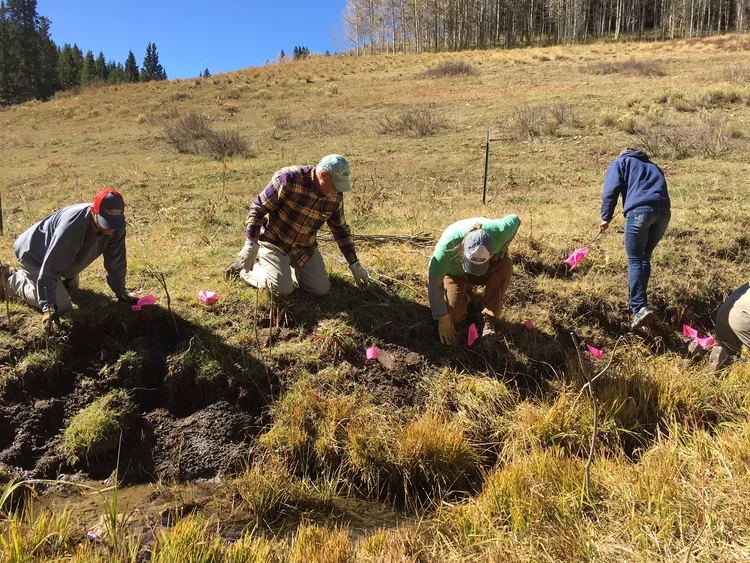
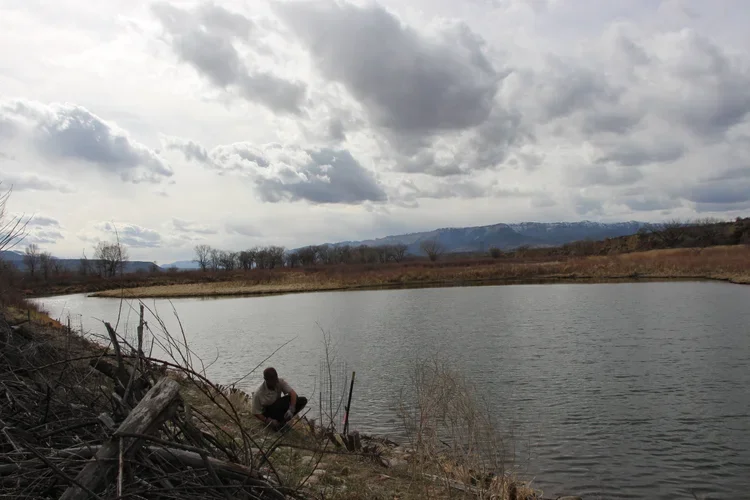
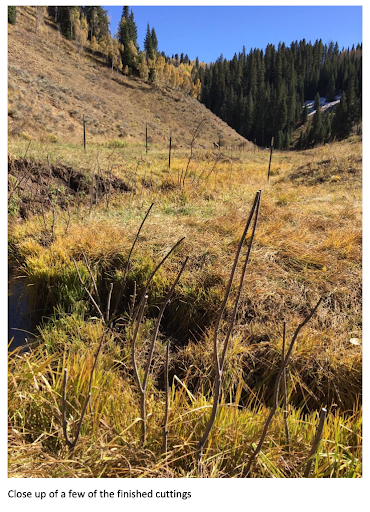
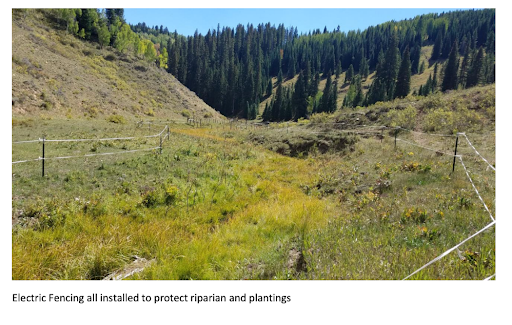
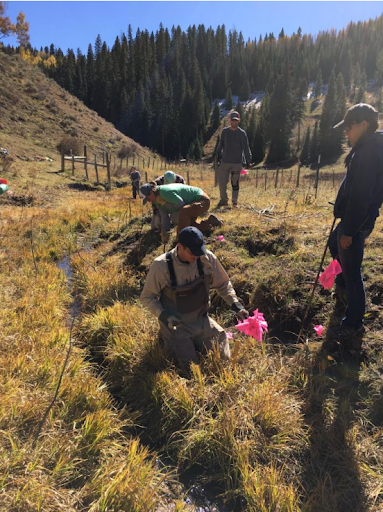
MCWC removes invasive plant species like tamarisk and Russian olive and restores native riparian habitat throughout the watershed. One notable project took place on Butler Creek in the headwaters of Rifle Creek.
Why It Matters
Invasive riparian plant species impair and sometimes destroy habitat for fish and wildlife. Restoring native vegetation protects the health of the river system and the species that depend on it.
Impact Numbers
500 willow cuttings planted along 150 yards of streambank on Butler Creek
44% of transplants still alive after an unusually dry fall 2018, a strong result for riparian restoration
1 fish-passable culvert installed, improving native fish connectivity
Budget
Restore Our Rivers campaign funded through partner donations via the Tamarisk Coalition (now RiversEdge West). Butler Creek restoration funded by the Patagonia World Trout Initiative and Western Native Trout Initiative.
Timeline
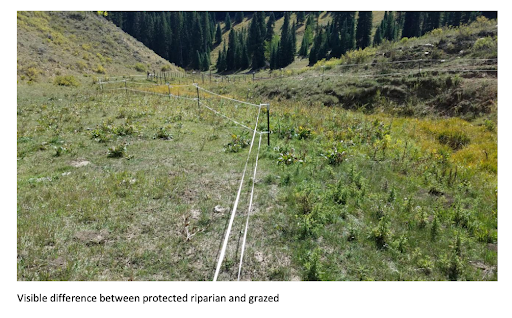
Restore Our Rivers campaign launched 2017, fully funded through partner support. Butler Creek restoration activities completed October 2017, with electric fencing installed to protect transplanted willows. Project finalized in a December 2018 report, with site monitoring continuing for water quality, macroinvertebrates and fish.
Connection to IWMP
Riparian restoration directly advances MCWC's Aquatic & Riparian Habitat focus area, guided by the Riparian Restoration Action Plan and the Colorado Headwaters Invasives Partnership's Consolidated Species Management Plan.
Beneficiaries
| Native fish and wildlife | Cutthroat trout spawning grounds | Downstream water quality |
|---|---|---|
| Removing invasive species restores the habitat native fish and wildlife depend on to survive and thrive. | Reduced erosion and sediment protect the clean, stable stream conditions cutthroat trout need to spawn successfully. | Healthier riparian buffers filter runoff and reduce sediment, keeping water cleaner for everyone downstream. |
Location
Watershed-wide, with a past emphasis on Butler Creek (Rifle Creek headwaters, White River National Forest).
Butler Creek is managed by the White River National Forest within the Rifle Ranger District, with its lower drainage passing through private land and Bureau of Land Management (BLM) jurisdiction.
16 miles North of Rifle, Colorado
Status
Completed with continued monitoring
Funders & Collaborators
RiversEdge West (formerly Tamarisk Coalition)
U.S. Forest Service
Patagonia World Trout Initiative
Western Native Trout Initiative
Colorado Headwaters Invasives Partnership
MCWC's Riparian Restoration Action Group (RRAG)
Trout Unlimited
Roaring Fork Outdoor Volunteers (RFOV)
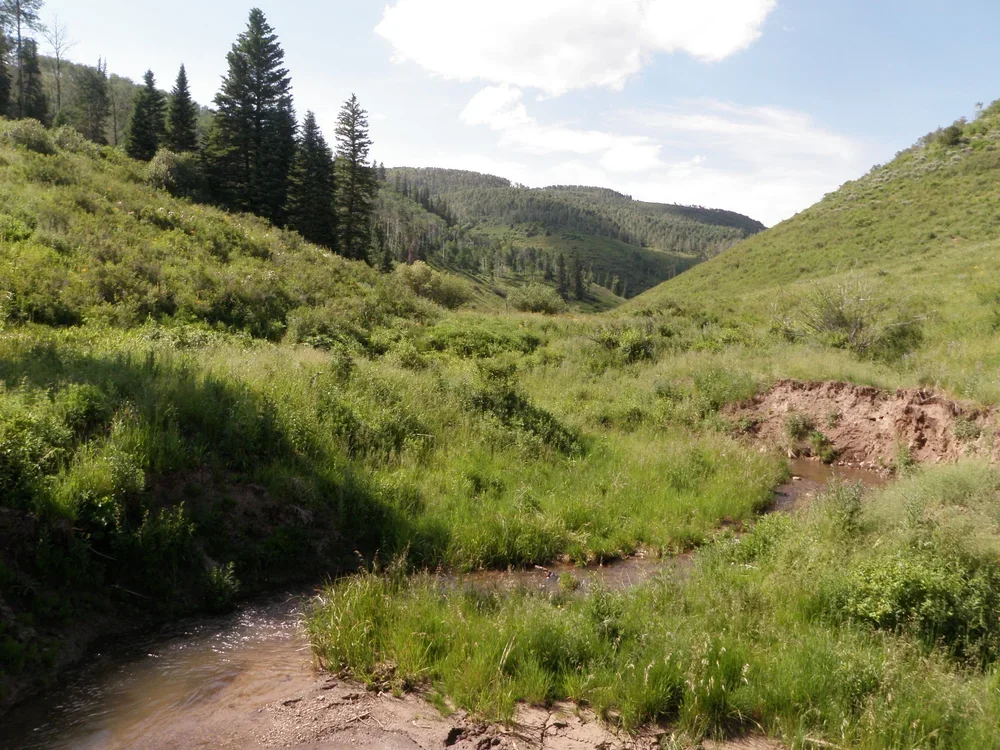
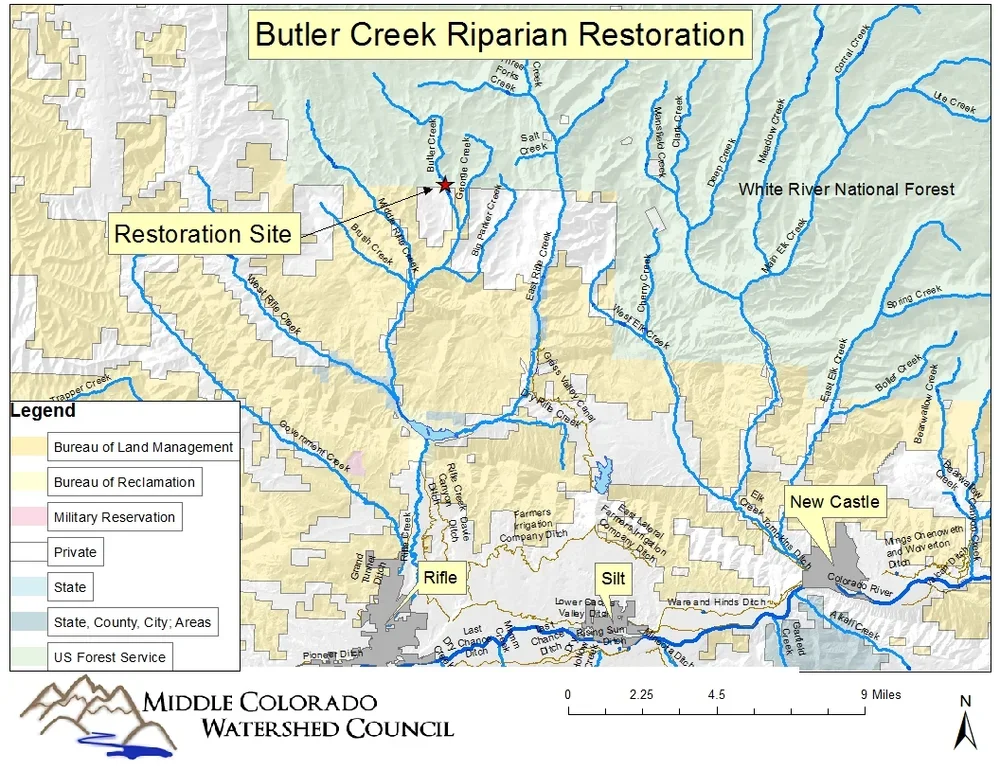
The location of the Butler Creek restoration project, and a photograph illustrating the extensive erosion in the creek, which releases such an amount of silt that cutthroat trout spawning is impacted.